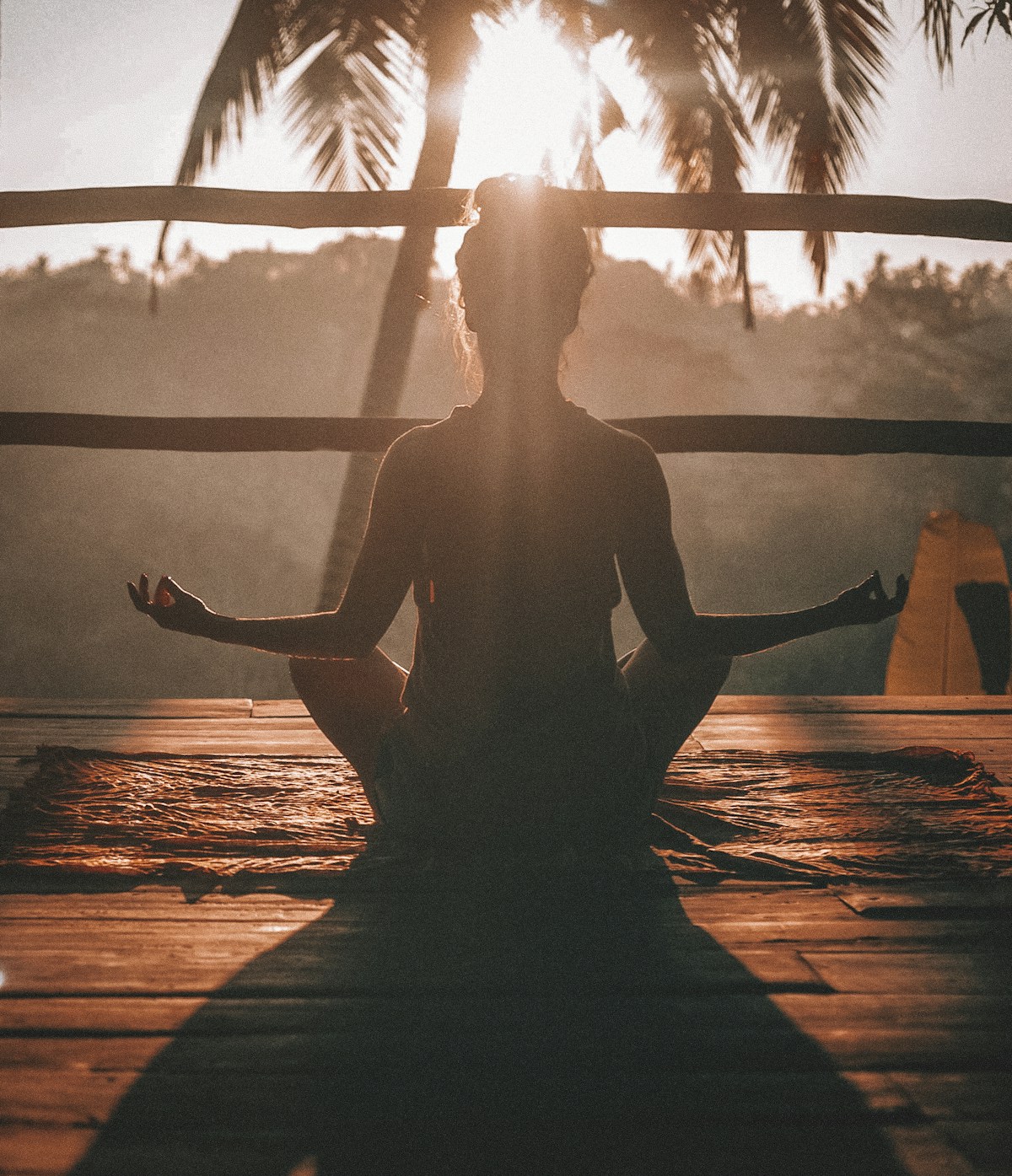
Yoga, an ancient practice originating in India over 5,000 years ago, encompasses far more than physical postures. It is a comprehensive system for integrating body, mind, and breath in service of greater wellbeing. While many people encounter yoga through its physical poses, or asanas, the practice includes ethical guidelines, breathing techniques (pranayama), meditation, and philosophy. When applied specifically to sleep improvement, yoga offers a drug-free approach that addresses both the physical tension and mental chatter that prevent restful sleep.
The value of yoga for sleep lies in its holistic nature. Sleep difficulties often involve both physical and psychological dimensions—muscle tension, shallow breathing, racing thoughts, and emotional stress all conspire against rest. Yoga addresses all of these simultaneously. Studies consistently show that regular yoga practice improves sleep quality, reduces time to fall asleep, and decreases nighttime awakenings. The beauty of yoga is that it can be adapted to any fitness level and takes only a few minutes when practiced specifically as a sleep preparation routine.
Understanding Sleep-Unfriendly Patterns
Before exploring specific poses, it helps to understand how modern life creates patterns antithetical to sleep. Most people spend their days in a chronic state of low-grade stress, with the sympathetic nervous system (fight-or-flight) dominant. Breathing becomes shallow, chest-focused, and rapid. Muscles, especially in the neck, shoulders, and hips, accumulate tension. The nervous system remains in an activated state even when the immediate stressor has passed, creating a persistent background of arousal that makes transitioning to sleep difficult.
Yoga practices systematically reverse these patterns. Specific poses release physical tension, breathing techniques activate the parasympathetic nervous system, and meditative aspects calm mental chatter. Practiced consistently over time, yoga shifts the baseline state of the nervous system toward parasympathetic dominance, making relaxation more accessible when bedtime arrives.
Restorative Forward Folds
Seated Forward Bend (Paschimottanasana)
Forward folds are among the most calming yoga poses. They passively stretch the entire back body, release tension in the spine, shoulders, and hamstrings, and—importantly—activate the parasympathetic nervous system. The compression of the belly against the thighs in forward folds stimulates the vagus nerve, triggering a relaxation response. Sit with legs extended, hinge at the hips, and fold forward over your legs. You don't need to reach your toes—the goal is calm, not extreme stretch. Breathe deeply and hold for 1-3 minutes.
Standing Forward Fold (Uttanasana)
The standing forward fold offers similar benefits with the added support of having your hands on the floor or grabbing opposite elbows. The slight bend in the knees accommodates tight hamstrings. Let your head hang heavy—this release of the neck muscles is particularly valuable for those who carry tension in their shoulders and upper back. The inverted position of the head also provides a different sensory experience that many find calming.
Supine Hip Openers
Reclined Butterfly (Supta Baddha Konasana)
This restorative pose opens the hips and inner thighs while allowing complete surrender. Lie on your back, bring the soles of your feet together, and let your knees fall open to the sides. Support your knees with pillows if they don't comfortably reach the floor. Place one hand on your heart and one on your belly. This pose is deeply calming for the nervous system and is appropriate for nearly everyone.
Happy Baby (Ananda Balasana)
Lie on your back, bend your knees toward your chest, and grab the outer edges of your feet. Gently pull your knees toward your armpits, keeping your shins roughly perpendicular to the floor. Rock gently side to side if it feels good. This pose releases the lower back and hips—areas where many people hold significant tension—and has a playful, soothing quality.
Plan Your Sleep Routine
A consistent yoga practice is most effective when paired with good sleep timing. Use our bedtime calculator to schedule your evening yoga practice optimally.
Legs Up the Wall (Viparita Karani)
One of yoga's most therapeutic poses, legs up the wall involves lying with your legs extended up a wall while your torso lies flat on the floor. This position reverses the typical sitting posture that dominates modern life, promoting venous return, reducing edema, and calming the nervous system. The slight inversion is energizing yet peaceful. Use a pillow under your hips for comfort. Hold for 5-15 minutes, breathing deeply and allowing complete surrender.
Breathing Techniques for Sleep
3-Part Breath (Dirga Pranayama)
This simple breathing technique encourages full diaphragmatic breathing, counteracting the shallow chest breathing of stress. Breathe in, first filling the belly (letting it expand), then the ribcage, then the upper chest. Exhale in reverse—upper chest, ribcage, belly—releasing completely. Practice for 2-5 minutes before bed. This technique alone can significantly activate the parasympathetic nervous system.
4-7-8 Breathing
While described elsewhere in our articles in more detail, this technique deserves mention here as a yoga-pranayama technique. Inhale for 4 counts, hold for 7, exhale for 8. The extended exhale is key. Repeat 3-4 cycles. This practice rapidly induces relaxation and is an excellent last step before sleep.
Creating a Pre-Sleep Yoga Routine
The optimal pre-sleep yoga routine takes 10-15 minutes and focuses entirely on relaxation rather than fitness. Begin with several rounds of 3-part breathing to begin calming the nervous system. Move through 2-3 forward folds, holding each for 1-2 minutes. Practice reclined butterfly for 2-3 minutes. Transition to legs up the wall for 5-10 minutes. Finish in a comfortable lying position, scanning your body for remaining tension and releasing it consciously. End with a brief moment of stillness before getting into bed.
Yoga is a practice of returning—returning to the breath, to the body, to the present moment. In this sense, it is perfectly suited for sleep preparation, which is also a practice of letting go of the day's engagements and returning to the simplicity of rest. Whether you practice yoga for fitness, stress management, or spiritual growth, using it specifically as a sleep preparation ritual can profoundly transform your relationship with sleep.